Critical Thinking in Islam:
A Divine Command to Reflect, Reason, Verify, and Follow the Truth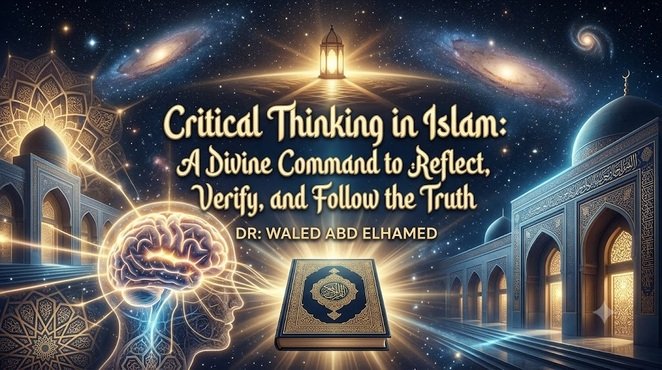
Fear Allah, O servants of Allah, as He should be feared, and know that one of the greatest blessings Allah has given mankind is the intellect (‘Aql).
Unlike every other creation, Allah honored mankind with the ability to think, reason, reflect, distinguish truth from falsehood, and choose guidance over misguidance.
Yet one of the greatest misconceptions today is that religion asks people to stop thinking.
The Qur’an teaches exactly the opposite.
One of the most repeated themes in the Qur’an is the call to think.
Allah repeatedly asks:
أَفَلَا تَعْقِلُونَ
“Will you not reason?”
أَفَلَا يَتَفَكَّرُونَ
“Will they not reflect?”
أَفَلَا يَتَدَبَّرُونَ
“Will they not contemplate?”
These are not occasional statements.
They appear throughout the Qur’an because Allah wants believers to become people whose faith is built upon understanding rather than blind imitation.
Today, we will look at the Qur’anic methodology for seeking the truth.
1. Reflect (التفكر)
Allah says:
“Indeed, in the creation of the heavens and the earth and the alternation of the night and the day are signs for people of understanding; those who remember Allah while standing, sitting and lying on their sides and reflect upon the creation of the heavens and the earth…”
(3:190–191)
Notice that Allah praises those who reflect.
Reflection is worship.
The believer does not merely see the stars.
He asks:
Who created them?
What do they teach me?
What lesson is Allah showing me?
When these verses were revealed, the Prophet ﷺ recited them and said:
“Woe to the one who recites these verses and does not reflect upon them.”
Our religion is not one of empty rituals.
It is a religion of thoughtful hearts.
2. Reason (التعقل)
Allah says:
“Indeed, the worst of creatures in the sight of Allah are the deaf and dumb who do not use reason.”
(8:22)
Notice—
Allah did not condemn people because they lacked intelligence.
He condemned them because they refused to use it.
The Prophet ﷺ said:
“The intelligent person is the one who holds himself accountable and works for what comes after death, while the incapable person follows his desires and merely wishes from Allah.”
(Tirmidhi)
Real intelligence is not measured by degrees or wealth.
It is measured by whether our intellect brings us closer to Allah.
3. Contemplate the Qur’an (التدبر)
Allah says:
“Do they not contemplate the Qur’an? Had it been from anyone other than Allah, they would have found many contradictions within it.”
(4:82)
Notice—
Allah does not say:
“Do not ask.”
He says:
Think.
Study.
Contemplate.
Examine.
The Prophet ﷺ used to pause while reciting.
When he read verses about mercy, he asked Allah for mercy.
When he read verses about punishment, he sought refuge in Allah.
The Qur’an is meant to transform minds before it transforms actions.
The Qur’an Itself Teaches Us HOW to Think
Brothers and sisters,
The Qur’an does not simply give conclusions.
It teaches us how to arrive at them.
Look at one of history’s greatest false accusations.
People claimed that Prophet Sulayman (عليه السلام) became a magician.
Allah could simply have said:
“Magic is forbidden.”
Instead He first corrects the false narrative.
Allah says:
“They followed what the devils recited during the reign of Sulayman. Sulayman did not disbelieve, but the devils disbelieved, teaching people magic…”
(2:102)
Notice the sequence.
First—
Correct the source.
Second—
Correct the accusation.
Third—
Identify who actually spread the corruption.
Allah teaches us not to accept stories simply because they are popular.
Instead ask:
Who said it?
Is the source reliable?
Where is the evidence?
Does it agree with revelation?
That is exactly the methodology of critical thinking.
Surah Al-Jinn Corrects False Beliefs
Another beautiful example is Surah Al-Jinn.
Many people exaggerate the powers of jinn.
Some fear them more than Allah.
Others believe certain people possess hidden supernatural knowledge.
The Qur’an dismantles these myths one after another.
Allah commands the Prophet ﷺ to say:
“Say: Indeed, I possess no power to harm or benefit you.”
(72:21)
Then Allah commands him to say:
“Say: I do not know whether what you are promised is near or whether my Lord will appoint for it a distant time.”
(72:25)
Then Allah says:
“He alone is the Knower of the unseen, and He does not disclose His unseen to anyone except to a messenger whom He has chosen.”
(72:26–27)
Even the Messenger ﷺ did not possess independent knowledge of the unseen.
How then could anyone after him claim such knowledge?
Even the jinn admitted:
“We do not know whether evil is intended for those on earth or whether their Lord intends guidance for them.”
(72:10)
The jinn themselves admit they do not know the unseen.
Then Allah gives another proof.
After Prophet Sulayman died:
“Nothing indicated his death except a creature of the earth eating his staff. Then when he fell, the jinn realized that had they known the unseen, they would not have remained in humiliating labor.”
(34:14)
If the jinn truly knew the unseen, they would have known that Sulayman had died.
Instead they continued working until his staff collapsed.
Allah Himself refutes the myth.
How Should We Respond Today?
Suppose someone says:
“I know your future.”
“I know the unseen.”
“I can speak with jinn.”
“I possess hidden powers.”
How should a believer respond?
The Qur’an has already taught us.
Reflect.
Reason.
Contemplate.
Verify.
Seek evidence.
Consult knowledgeable scholars.
Never surrender your intellect to extraordinary claims.
4. Verify (التبين)
Allah says:
“O you who believe, if a sinful person comes to you with news, verify it, lest you harm people out of ignorance and then become regretful.”
(49:6)
The Prophet ﷺ said:
“It is enough falsehood for a person to narrate everything he hears.”
(Sahih Muslim)
Today this applies to WhatsApp.
Facebook.
TikTok.
YouTube.
News.
Politics.
Rumors.
Before forwarding—
Verify.
5. Seek Evidence
Allah says:
“Bring your proof if you are truthful.”
(2:111)
Evidence is the language of the Qur’an.
The Prophet ﷺ said:
“The burden of proof is upon the claimant.”
Every claim deserves evidence.
Religious claims.
Scientific claims.
Political claims.
Personal claims.
6. Consult (الشورى)
Allah says:
“…Consult them in matters. Then when you have decided, place your trust in Allah.”
(3:159)
Abu Hurairah رضي الله عنه said:
“I never saw anyone who consulted his companions more than the Messenger of Allah ﷺ.”
If the Prophet ﷺ consulted others although he received revelation—
How much more should we?
7. Ask Those Who Know
Allah says:
“Ask the people of knowledge if you do not know.”
(16:43)
The Prophet ﷺ said:
“The cure for ignorance is to ask.”
Ignorance is not shameful.
Remaining ignorant is.
Respect Scholars—but Follow the Evidence
Brothers and sisters,
Islam commands us to respect scholars.
They are inheritors of the Prophets.
But Islam never teaches blind following.
Every scholar is respected.
None is infallible.
Only the Messenger ﷺ is protected from error.
Imam Malik رحمه الله pointed toward the grave of the Prophet ﷺ and said:
“Everyone’s statement may be accepted or rejected except the occupant of this grave.”
Therefore, if any speaker, scholar, imam, or sheikh says something that appears to contradict the clear Qur’an, the authentic Sunnah, or the well-established understanding of Islam, the believer should not react with arrogance or blind acceptance.
Instead, apply the Qur’anic framework:
Reflect carefully.
Reason honestly.
Contemplate all the relevant verses and hadith—not just one text in isolation.
Verify the authenticity and context.
Consult other qualified scholars.
Ask: What is the evidence?
Our loyalty is to the truth that Allah revealed—not to personalities.
As Imam Ali رضي الله عنه is reported to have said:
“Know the truth, and you will know its people.”
Do not determine the truth by the person; determine the person by the truth.
The Complete Qur’anic Methodology
Allah teaches us to:
Observe.
Reflect.
Reason.
Contemplate.
Verify.
Seek evidence.
Consult.
Ask.
Then trust Allah.
This is faith with certainty.
Not blind imitation.
Not arrogant skepticism.
But enlightened submission.
Second Khutbah
الحمد لله رب العالمين…
Dear brothers and sisters,
We live in an age where information travels faster than wisdom.
Artificial intelligence can generate convincing lies.
Videos can be manipulated.
Rumors spread across the world in seconds.
Opinions are treated as facts.
In such an age, Muslims should be the people most committed to truth.
Our standard is not popularity.
Not emotion.
Not charisma.
Not conspiracy.
Our standard is:
The Qur’an.
The authentic Sunnah.
The understanding of the righteous generations.
Whenever we hear a claim—
We ask:
Where is the evidence?
Whenever we disagree—
We do so with justice.
Whenever we do not know—
We ask.
Whenever we decide—
We place our trust in Allah.
May Allah make us among those whom He described:
“Those who listen carefully to what is said and follow the best of it. Those are the ones whom Allah has guided, and those are the people of understanding.” (Surah Az-Zumar 39:18)
(أولو الألباب).”
This verse beautifully summarizes the entire message. Allah praises believers not because they refuse to listen to others, but because they listen, evaluate, and follow the strongest and best evidence. It is perhaps the clearest Qur’anic endorsement of disciplined critical thinking guided by revelation.
الخطبة باللغة العربية
التفكير النقدي في الإسلام: أمر إلهي بالتفكر والتعقل والتثبت واتباع الحق
الحمد لله نحمده ونستعينه ونستغفره، ونعوذ بالله من شرور أنفسنا ومن سيئات أعمالنا، من يهده الله فلا مضل له، ومن يضلل فلا هادي له، وأشهد أن لا إله إلا الله وحده لا شريك له، وأشهد أن محمدًا عبده ورسوله.
أما بعد:
فاتقوا الله عباد الله حق التقوى، واعلموا أن من أعظم النعم التي أنعم الله بها على الإنسان نعمة العقل.
فقد كرّم الله الإنسان وميّزه بالعقل، وجعله قادرًا على التفكير، والتدبر، والتمييز بين الحق والباطل، واختيار طريق الهداية على طريق الضلال.
ومن أعظم المفاهيم الخاطئة التي انتشرت أن الدين يطلب من الإنسان أن يتوقف عن التفكير، وأن الإيمان يعني إلغاء العقل.
ولكن القرآن يعلمنا عكس ذلك تمامًا.
فمن أكثر المعاني تكرارًا في كتاب الله دعوة الإنسان إلى التفكير والتأمل والتدبر.
قال الله تعالى:
*﴿أَفَلَا تَعْقِلُونَ﴾*
وقال سبحانه:
*﴿أَفَلَا يَتَفَكَّرُونَ﴾*
وقال عز وجل:
*﴿أَفَلَا يَتَدَبَّرُونَ﴾*
وهذه ليست عبارات عابرة، بل هي منهج قرآني يريد الله به أن يكون إيمان المؤمن قائمًا على الفهم والبصيرة، لا على التقليد الأعمى.
وفي هذه الخطبة نتحدث عن منهج القرآن في الوصول إلى الحق.
# أولًا: التفكر
قال الله تعالى:﴿إِنَّ فِي خَلْقِ السَّمَاوَاتِ وَالْأَرْضِ وَاخْتِلَافِ اللَّيْلِ وَالنَّهَارِ لَآيَاتٍ لِأُولِي الْأَلْبَابِ الَّذِينَ يَذْكُرُونَ اللَّهَ قِيَامًا وَقُعُودًا وَعَلَىٰ جُنُوبِهِمْ وَيَتَفَكَّرُونَ فِي خَلْقِ السَّمَاوَاتِ وَالْأَرْضِ﴾*
(آل عمران: 190-191)
فالله سبحانه يمدح الذين يتفكرون.
فالتفكر عبادة.
فالمؤمن لا يرى الكون فقط، بل يتساءل:
من خلق هذا الكون؟
ما الرسالة التي يريد الله أن يعلمني إياها؟
ما الدروس التي أستفيدها من آيات الله؟
وكان النبي ﷺ يقوم الليل حتى تتفطر قدماه، فلما نزلت هذه الآيات بكى وتأمل فيها، وجاء عنه أنه قال:
*”ويل لمن قرأ هذه الآيات ثم لم يتفكر فيها.”*
فديننا ليس دين عادات بلا روح، بل هو دين القلوب الواعية والعقول المتدبرة.
# ثانيًا: التعقل
قال الله تعالى:﴿إِنَّ شَرَّ الدَّوَابِّ عِندَ اللَّهِ الصُّمُّ الْبُكْمُ الَّذِينَ لَا يَعْقِلُونَ﴾(الأنفال: 22)
فالله لم يذم الإنسان لأنه لم يملك الذكاء، وإنما ذمه لأنه عطّل عقله ولم يستخدمه في معرفة الحق.
وقال النبي ﷺ:“الكَيِّسُ من دان نفسه وعمل لما بعد الموت، والعاجز من أتبع نفسه هواها وتمنى على الله الأماني.”(رواه الترمذي)
فالعاقل في ميزان الإسلام ليس فقط من يملك العلم أو الشهادات، وإنما من يستخدم عقله فيما يقربه إلى الله، ويحكم نفسه وشهواته، وينظر إلى عواقب الأمور.
—
# ثالثًا: تدبر القرآن
قال الله تعالى:﴿أَفَلَا يَتَدَبَّرُونَ الْقُرْآنَ ۚ وَلَوْ كَانَ مِنْ عِندِ غَيْرِ اللَّهِ لَوَجَدُوا فِيهِ اخْتِلَافًا كَثِيرًا﴾*
(النساء: 82)
فالله لا يقول لنا: لا تسألوا.
بل يقول:
تفكروا.
تدبروا.
انظروا.
افهموا.
وكان النبي ﷺ إذا قرأ القرآن تمهّل وتدبر، فإذا مرّ بآيات الرحمة سأل الله من فضله، وإذا مرّ بآيات العذاب استعاذ بالله.
فالقرآن لم ينزل ليُقرأ باللسان فقط، بل ليغيّر العقل والقلب والسلوك.
—
# القرآن يعلمنا كيف نفكر
أيها المسلمون:
القرآن لا يعطينا النتائج فقط، بل يعلمنا الطريق للوصول إليها.
ومن أعظم الأمثلة على ذلك قصة نبي الله سليمان عليه السلام.
انتشر بين الناس ادعاء باطل أن سليمان عليه السلام كان يستخدم السحر.
فماذا فعل القرآن؟
لم يقل فقط: السحر حرام.
بل صحح أصل القصة، وصحح مصدر المعلومة.
قال الله تعالى:﴿وَاتَّبَعُوا مَا تَتْلُوا الشَّيَاطِينُ عَلَىٰ مُلْكِ سُلَيْمَانَ ۖ وَمَا كَفَرَ سُلَيْمَانُ وَلَٰكِنَّ الشَّيَاطِينَ كَفَرُوا يُعَلِّمُونَ النَّاسَ السِّحْرَ﴾*(البقرة: 102)
لاحظوا المنهج:
أولًا: معرفة مصدر المعلومة.
ثانيًا: تصحيح الاتهام.
ثالثًا: معرفة من نشر الفساد.
فالقرآن يعلمنا ألا نقبل الأخبار لمجرد أنها منتشرة.
بل نسأل:
من قالها؟
هل المصدر موثوق؟
أين الدليل؟
هل توافق كتاب الله وسنة رسوله؟
وهذا هو منهج التفكير الصحيح.
—
# سورة الجن وتصحيح المعتقدات الخاطئة
ومن أعظم الأمثلة على تعليم القرآن للعقل سورة الجن.
فقد بالغ بعض الناس في تصور قدرات الجن، حتى خافوهم أكثر من خوفهم من الله، واعتقد بعضهم أن هناك من البشر من يملك علم الغيب أو قدرات خفية.
فجاء القرآن ليصحح هذه الأفكار.
قال الله تعالى آمرًا النبي ﷺ:﴿قُلْ إِنِّي لَا أَمْلِكُ لَكُمْ ضَرًّا وَلَا رَشَدًا﴾*(الجن: 21)
وقال سبحانه:*﴿قُلْ إِنْ أَدْرِي أَقَرِيبٌ مَا تُوعَدُونَ أَمْ يَجْعَلُ لَهُ رَبِّي أَمَدًا﴾*(الجن: 25)
وقال تعالى:*﴿عَالِمُ الْغَيْبِ فَلَا يُظْهِرُ عَلَىٰ غَيْبِهِ أَحَدًا إِلَّا مَنِ ارْتَضَىٰ مِنْ رَسُولٍ﴾*(الجن: 26-27)
حتى رسول الله ﷺ لا يعلم الغيب من نفسه، وإنما يعلم ما أطلعه الله عليه.
فكيف يأتي إنسان بعده ويدعي معرفة المستقبل أو علم الأسرار؟
بل إن الجن أنفسهم اعترفوا بجهلهم.
قال تعالى:﴿وَأَنَّا لَا نَدْرِي أَشَرٌّ أُرِيدَ بِمَنْ فِي الْأَرْضِ أَمْ أَرَادَ بِهِمْ رَبُّهُمْ رَشَدًا﴾*(الجن: 10)
ثم ضرب الله مثالًا آخر في قصة سليمان عليه السلام:﴿فَلَمَّا قَضَيْنَا عَلَيْهِ الْمَوْتَ مَا دَلَّهُمْ عَلَىٰ مَوْتِهِ إِلَّا دَابَّةُ الْأَرْضِ تَأْكُلُ مِنسَأَتَهُ ۖ فَلَمَّا خَرَّ تَبَيَّنَتِ الْجِنُّ أَنْ لَوْ كَانُوا يَعْلَمُونَ الْغَيْبَ مَا لَبِثُوا فِي الْعَذَابِ الْمُهِينِ﴾*(سبأ: 14)
فلو كان الجن يعلمون الغيب، لعلموا وفاة سليمان عليه السلام.
ولكنهم لم يعلموا.
فكيف يدعي بشر معرفة ما لا يعلمه الجن أنفسهم؟
—
# كيف نتعامل مع الدعاوى اليوم؟
إذا جاء شخص وقال:
أنا أعرف المستقبل.
أنا أعرف الغيب.
أنا أتكلم مع الجن.
أنا أملك أسرارًا لا يعرفها الناس.
فكيف يتصرف المسلم؟
يعرض الأمر على منهج القرآن:
يتفكر.
يتعقل.
يتدبر.
يتثبت.
يطالب بالدليل.
ويستشير أهل العلم.
ولا يسلم عقله لأي دعوى مهما كان صاحبها.
—
# رابعًا: التثبت والتحقق
قال الله تعالى:
*﴿يَا أَيُّهَا الَّذِينَ آمَنُوا إِنْ جَاءَكُمْ فَاسِقٌ بِنَبَإٍ فَتَبَيَّنُوا أَنْ تُصِيبُوا قَوْمًا بِجَهَالَةٍ فَتُصْبِحُوا عَلَىٰ مَا فَعَلْتُمْ نَادِمِينَ﴾*
(الحجرات: 6)
وقال النبي ﷺ:
*”كفى بالمرء كذبًا أن يحدث بكل ما سمع.”*
(رواه مسلم)
وفي زمن وسائل التواصل، يجب أن نسأل قبل النشر:
هل هذا صحيح؟
هل المصدر موثوق؟
هل فيه ظلم لأحد؟
هل نشره فيه مصلحة أم فتنة؟
—
# خامسًا: طلب الدليل
قال الله تعالى:﴿قُلْ هَاتُوا بُرْهَانَكُمْ إِنْ كُنْتُمْ صَادِقِينَ﴾*(البقرة: 111)
فالدليل هو أساس الحق.
وقال النبي ﷺ:
*”البينة على المدعي.”*
فكل دعوى تحتاج إلى دليل.
في الدين.
وفي الدنيا.
وفي العلاقات.
وفي الحكم على الناس.
—
# سادسًا: الشورى
قال الله تعالى:﴿وَشَاوِرْهُمْ فِي الْأَمْرِ ۖ فَإِذَا عَزَمْتَ فَتَوَكَّلْ عَلَى اللَّهِ﴾(آل عمران: 159)
وكان أبو هريرة رضي الله عنه يقول:“ما رأيت أحدًا أكثر مشورة لأصحابه من رسول الله ﷺ.”*
فإذا كان النبي ﷺ يستشير أصحابه مع نزول الوحي عليه، فكيف بنا نحن؟
—
# سابعًا: سؤال أهل العلم
قال الله تعالى:﴿فَاسْأَلُوا أَهْلَ الذِّكْرِ إِنْ كُنْتُمْ لَا تَعْلَمُونَ﴾*(النحل: 43)
وقال النبي ﷺ:“ألا سألوا إذ لم يعلموا، فإنما شفاء العِيِّ السؤال.”*
فالجهل ليس عيبًا، ولكن البقاء على الجهل مع القدرة على السؤال هو المشكلة.
—
# احترام العلماء واتباع الدليل
عباد الله،الإسلام يأمرنا باحترام العلماء، فهم ورثة الأنبياء.
ولكن الإسلام لا يعلمنا التقليد الأعمى.
فكل عالم يُحترم، ولكنه غير معصوم.
العصمة للأنبياء فقط.
وقال الإمام مالك رحمه الله وهو يشير إلى قبر النبي ﷺ:*”كل أحد يؤخذ من قوله ويرد إلا صاحب هذا القبر.”*
فإذا قال عالم أو شيخ أو داعية قولًا يظهر أنه يخالف القرآن الواضح أو السنة الصحيحة، فلا نرفض بتكبر، ولا نقبل بلا دليل.
بل نطبق منهج القرآن:
نتثبت.
نتحقق.
نجمع النصوص.
نفهم السياق.
نسأل أهل العلم.
ونبحث عن الدليل.
فالحق لا يعرف بالرجال، ولكن الرجال يعرفون بالحق.
—
# منهج القرآن الكامل
علّمنا القرآن أن:
ننظر.
ونتفكر.
ونتعقل.
ونتدبر.
ونتثبت.
ونطلب الدليل.
ونستشير.
ونسأل أهل العلم.
ثم نتوكل على الله.
هذا هو الإيمان المبني على اليقين.
ليس تقليدًا أعمى.
وليس شكًا متكبرًا.
بل عبودية واعية لله تعالى.
—
# الخطبة الثانية
الحمد لله رب العالمين…
عباد الله،
نعيش اليوم في زمن تنتشر فيه المعلومات بسرعة أكبر من انتشار الحكمة.
يمكن صناعة أخبار كاذبة.
يمكن تعديل الصور والفيديوهات.
يمكن نشر الشائعات في ثوانٍ.
وقد تتحول الآراء إلى حقائق عند الناس.
ولهذا يجب أن يكون المسلمون أكثر الناس حرصًا على الحق.
ميزاننا ليس الشهرة.
ولا العاطفة.
ولا الأشخاص.
ولا كثرة المتابعين.
ميزاننا:
كتاب الله.
وسنة رسوله ﷺ.
وفهم السلف الصالح.
قال الله تعالى:﴿الَّذِينَ يَسْتَمِعُونَ الْقَوْلَ فَيَتَّبِعُونَ أَحْسَنَهُ ۚ أُولَٰئِكَ الَّذِينَ هَدَاهُمُ اللَّهُ وَأُولَٰئِكَ هُمْ أُولُو الْأَلْبَابِ﴾*(الزمر: 18)
فالله يمدح المؤمنين لأنهم يسمعون، ويميزون، ويتبعون أحسن القول.
اللهم أرنا الحق حقًا وارزقنا اتباعه، وأرنا الباطل باطلًا وارزقنا اجتنابه.
اللهم ارزقنا قلوبًا تتفكر، وعقولًا تتعقل، ونفوسًا تتدبر كتابك، وألسنةً لا تقول إلا الحق.
اللهم اجعلنا من الذين يستمعون القول فيتبعون أحسنه.
اللهم علمنا ما ينفعنا، وانفعنا بما علمتنا، وزدنا علمًا وحكمةً وبصيرة.
اللهم ثبتنا على القرآن والسنة، واجعل ولاءنا للحق، وأعذنا من الفتن ما ظهر منها وما بطن.
اللهم انصر المستضعفين من المسلمين في كل مكان، وارحم موتانا، واشف مرضانا، واغفر لنا ولوالدينا ولجميع المسلمين.
*﴿إِنَّ اللَّهَ يَأْمُرُ بِالْعَدْلِ وَالْإِحْسَانِ وَإِيتَاءِ ذِي الْقُرْبَىٰ وَيَنْهَىٰ عَنِ الْفَحْشَاءِ وَالْمُنكَرِ وَالْبَغْيِ يَعِظُكُمْ لَعَلَّكُمْ تَذَكَّرُونَ﴾*
فاذكروا الله يذكركم، واشكروه على نعمه يزدكم، ولذكر الله أكبر، والله يعلم ما تصنعون.